Tokenized Gold, ETFs, Cryptocurrencies
As digital finance evolves, investors are increasingly faced with new ways to gain exposure to both traditional and emerging assets. Tokenized gold, such as Blue Gold Limited’s proposed Standard Gold Coin (SGC), sits somewhere between classic gold investments and crypto, borrowing elements from both while trying to avoid their weaknesses.
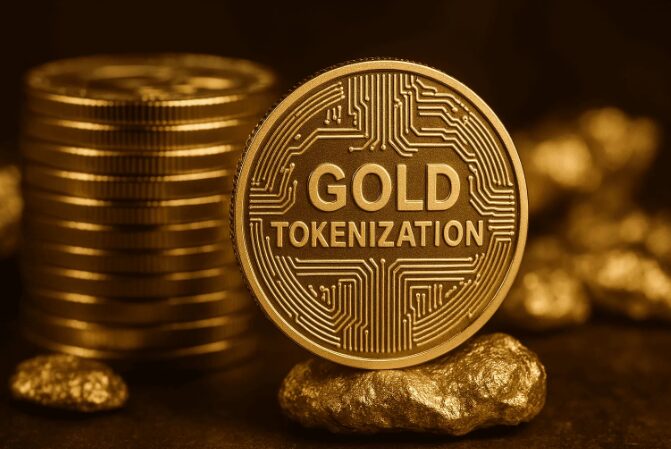
Tokenized gold represents direct ownership of physical gold
1. Tokenized Gold (e.g., Blue Gold’s Standard Gold Coin)
Tokenized gold represents direct ownership of physical gold, with each digital token backed by a specific quantity of vaulted metal (often one gram or one ounce). Ownership records are maintained on a blockchain, enabling near-instant transfer and fractional ownership.
Key characteristics:
Physically backed: Each token corresponds to audited, allocated gold.
Redeemable: In many models, holders can redeem tokens for physical gold.
Digitally transferable: Tokens can be traded 24/7 without traditional brokerage friction.
Transparent supply: Blockchain records help prevent over-issuance.
In Blue Gold’s case, the ambition is to create a “mine-to-wallet” system, reducing intermediaries and allowing gold to function more like a digital currency – but without losing its intrinsic value.
Main appeal: Combines gold’s stability with digital liquidity.
2. Gold ETFs (Exchange-Traded Funds)
Gold ETFs, such as SPDR Gold Shares (GLD), allow investors to gain price exposure to gold through traditional stock exchanges without handling physical metal.
Key characteristics:
Easy access: Trade like stocks through standard brokerage accounts.
Highly liquid: Suitable for short-term trading or portfolio hedging.
Indirect ownership: Investors own shares of a fund, not specific gold bars.
Market hours: Trading is limited to exchange hours.
While ETFs are convenient, they introduce counterparty risk and management fees, and they generally do not allow physical redemption for retail investors.
Main appeal: Simplicity and familiarity for traditional investors.
3. Cryptocurrencies (e.g., Bitcoin, Ethereum)
Cryptocurrencies are natively digital assets with no physical backing. Their value is driven by network adoption, scarcity mechanisms, and market sentiment rather than intrinsic commodities.
Key characteristics:
Decentralized and permissionless
Highly volatile
No intrinsic asset backing
Borderless and programmable
Crypto excels in innovation and speed, but can be unsuitable for investors seeking capital preservation or inflation hedging.
Main appeal: Growth potential and technological innovation.
Bottom Line
Tokenized gold aims to occupy a middle ground: the trust and stability of physical gold with the speed and flexibility of digital assets. If executed well – with strong auditing, custody, and regulatory compliance – it could offer a compelling alternative to both gold ETFs and purely speculative cryptocurrencies, particularly for investors looking for a digitally native store of value.